
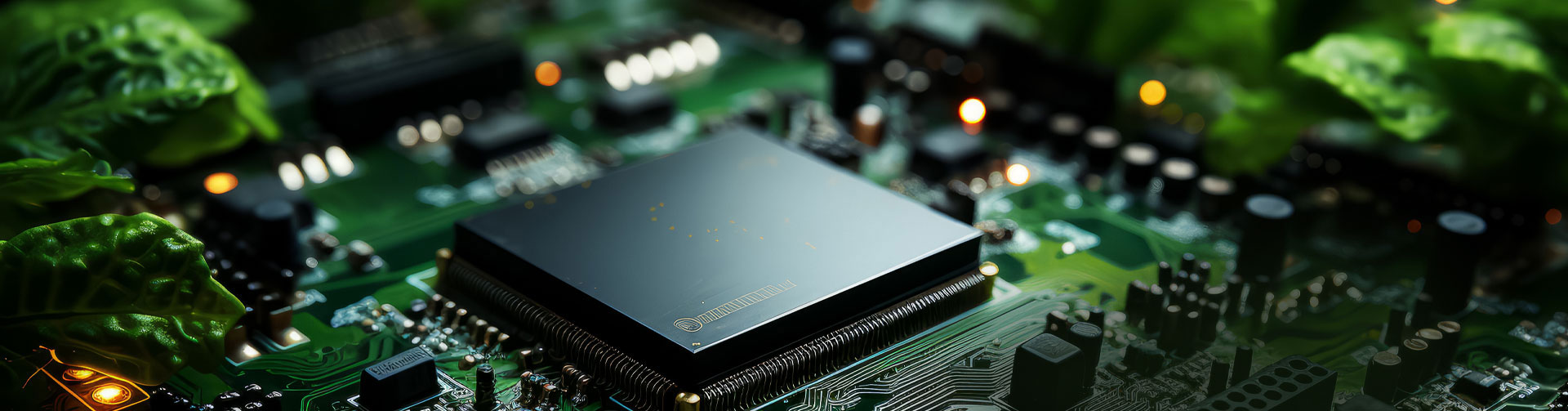

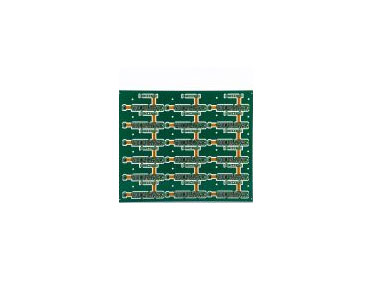
Rigid PCBs are a form of circuit board which are solid and inflexible in their structure and therefore cannot be bent or flexed. They're made up of several different layers, such as a substrate layer, a copper layer, a solder mask layer and a silk screen layer, which are joined together via adhesive and heat.
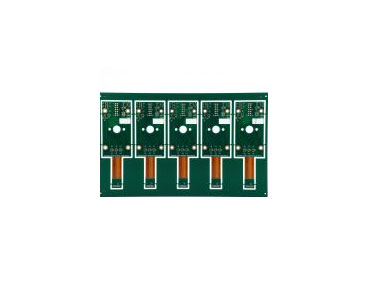
FR4 is a class of printed circuit board base material made from a flame retardant epoxy resin and glass fabric composite. FR stands for flame retardant and meets the requirements of UL94V-0. FR4 has good adhesion to copper foil and has minimal water absorption, making it very suitable for standard applications.
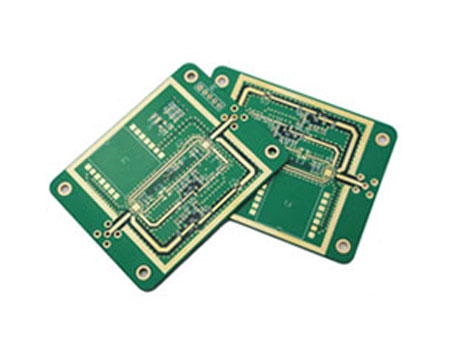
Standard CEM-1 material is composite material on a cellulose basis with one layer of glass fibre laminate (FR-4) on a surface. Usually CEM-1 has milky-white or yellowish white color.
It is not possible to plate the through hole in this material which makes it only fit for a single side PCB.
A Standard CEM-1 confirms to combustibility class UL 94-V0, as FR-4 material. Mechanical characteristics of CEM-1 are not very good as compared to FR4. It does not have the rigidity of a FR4 material. CEM-1 is a considered a cheaper alternative for FR-4 material for production of single sided PCBs.

In general terms, the PCB industry considers an RF circuit board to be any high frequency PCB that operates above 100MHz. Within the radio frequency class, anything above 2GHz is a Microwave PCB. FEP, PTFE, ceramic, hydrocarbons, and various types of glass fiber are used in the RF PCBs.

LED PCBs are specific types of printed circuit board, designed for use in a wide array of lighting modules and applications. A number of light emitting diodes (LEDs) are mounted to a PCB forming a completed circuit, allowing full control of their behaviour through various types of chips or switches. Since there is heat generation by the LEDs, it is important that this heat is dissipated, for which specialized Aluminium based copper clad laminates are used. The heat generated by the LED is passed through the Aluminium base and dissipated.
Automotive PCBs are the circuit boards used in automotive electronics from engine controls, anti-lock brake systems, GPS, to rearview cameras and front lights. Safety is the most important consideration for automotive PCB design and manufacturing. Highest levels of tolerances have to be maintained in the production of automotive PCBs. Reliability is another important aspect of this PCB. Given the very high standards, specific grades of laminates are specified by the automotive manufacturers. We at BPL have a strict control system to ensure that the PCBs are manufactured to the specifications of the automotive customer. We provide HASL leaded and leadfree to ensure high shelf life of the PCBs.
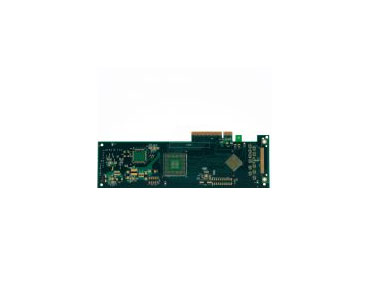
Gold fingers are the gold-plated connectors at the edge of printed circuit boards (PCBs). Shaped like a finger, they serve as connectors that connect the PCB to a motherboard, making sure a signal or command is reliably transmitted. Gold Finger PCB is that its metal connection part provides excellent electrical conductivity, and gold is highly resistant to oxidation, which can provide reliable connection and reduce connection impedance.

Industrial PCB is that its design complies with industrial standards and can meet the challenges of industrial environments. Its stability and durability make it the first choice for industrial automation and control systems.
Industrial PCB is commonly used in industrial control systems, automation equipment, power electronics, sensor technology, robotics and other fields that require reliable electronic control. They play an important role in providing critical control and monitoring functions.
The production of printed circuit boards is a dynamic process. Every printed circuit board depends on power from a power supply source. Power supply PCBs are designed to handle heavy components and high voltage and currents. The laminate and copper thickness vary from 35 microns to 120 microns depending on the application. We at BPL have fully automated print-etch line that can handle a variety of copper thicknesses with utmost accuracy,
Although the types of PCBs and materials used will vary according to the specific telecommunications application, those who use PCBs for the telecommunication industry often prefer aluminium PCBs. These types of circuit boards tend to be light, durable and great at heat transfer. They can prevent oxidation, board disfigurement or other heat-related failures at high-temperatures by dissipating heat effectively as the applications process generates it. Because many telecommunications applications require devices with printed circuit boards to be established outdoors, sometimes in harsh climates, environments and weather conditions, a durable, temperature-resistant printed circuit board is often critical.
For push button telephones specialized carbon pad printing will be required for the buttons. We at BPL have perfected this process and offer to the customers in large volumes.
PCBs for medical applications are very critical and use very high quality materials and have strict tolerance levels. The PCBs used in many medical applications are miniaturized with complex circuitry. These are 2 layer to multi layer PCBs.
The High TG PCB is that its material has high temperature stability, which can maintain the performance of the circuit board under high temperature conditions and reduce the risk of failure caused by high temperature. Key features of High TG PCBs include high-temperature resin materials, high-temperature tolerance, excellent thermal stability, resistance to thermal aging, and the ability to operate in high-temperature working environments. To ensure the quality of High TG PCBs, manufacturers typically follow high standards in the manufacturing process and quality control. Performance testing is conducted to ensure the stability of the circuit board under high-temperature conditions. High TG PCBs are commonly used in industrial control equipment, automation systems, and robotics.